
Backfill
Backfill is the idea that we take our backlands whether they be the side gardens of larger homes in suburbs, the identical rear gardens of repeated pattern type developments in countries where more centrally planned housing was built, or just left over bits at the back of our streets, and we fill in the development gaps to create more housing and better communities.
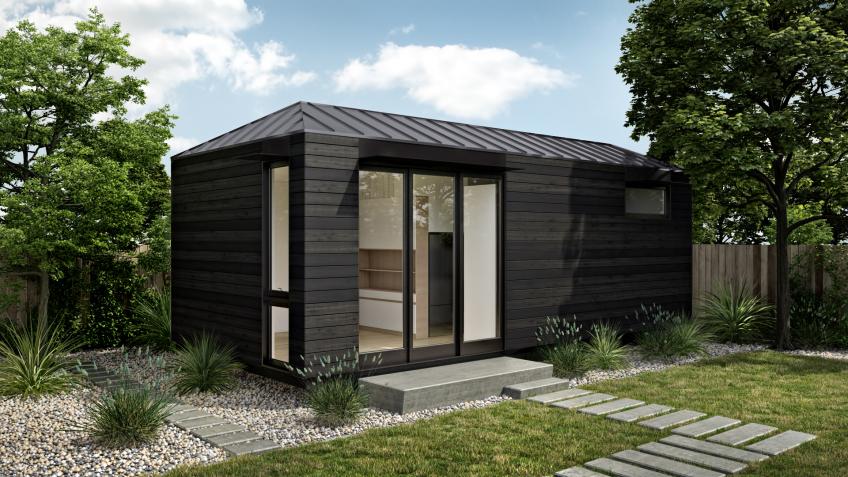
One example of this where we are seeing a solution being deployed at scale across the US and soon in Ireland we believe, is with ancillary 2nd houses on the plot of a primary home and ADUs. Once prohibited out of fear of reducing the value of the parent house within a homeowners rules restricted development or single family zoning, city after city in the US is now exempting or easing their path through consent processes and in some cases actively promoting them such as with financing or pre approved house plans.
Ireland
Indeed this trend is not confined to the US. Other countries that are said to be closer to Boston than Berlin in economic outlook (and land development patterns inevitable follow) such as Ireland, are considering making ADUs (back garden houses in our nomenclature) exempt from the need for planning permission also (in 2026). By some estimates hundreds of thousands of new home could result.
Multiple Benefits
Gaining new starter sized homes in established communities, on transit routes and near schools are benefits enough to argue for removing any obstacles to ADUs as soon as possible. Add to those, the fact that combining a small affordable home with a larger family home on the same site unlocks opportunities for intergenerational migration, up and down sizing, additional income and live in care, and we see social and even emotional benefits also, ones that can never appear on any balance sheet but make a great difference to a family.
The final no brainer for me on ADUs is that that while providing another home where it’s needed and so addressing housing availability and unaffordability, they are also most likely to be financed and developed privately. So there’s no need for the city to raise new bonds or for governments to add to their borrowing deficits. All of which avoids controversy and reduces or neutralizes resistance so facilitating a rapid deployment of this important solution.